
In this post:
- Manufacturing data can reveal opportunities to improve productivity, quality, and profitability through automation.
- Metrics like cycle time, labor utilization, scrap rates, and downtime often highlight where automation can make the biggest impact.
- Reviewing shop floor data helps identify repetitive tasks that may benefit from robotic welding or automated manufacturing systems.
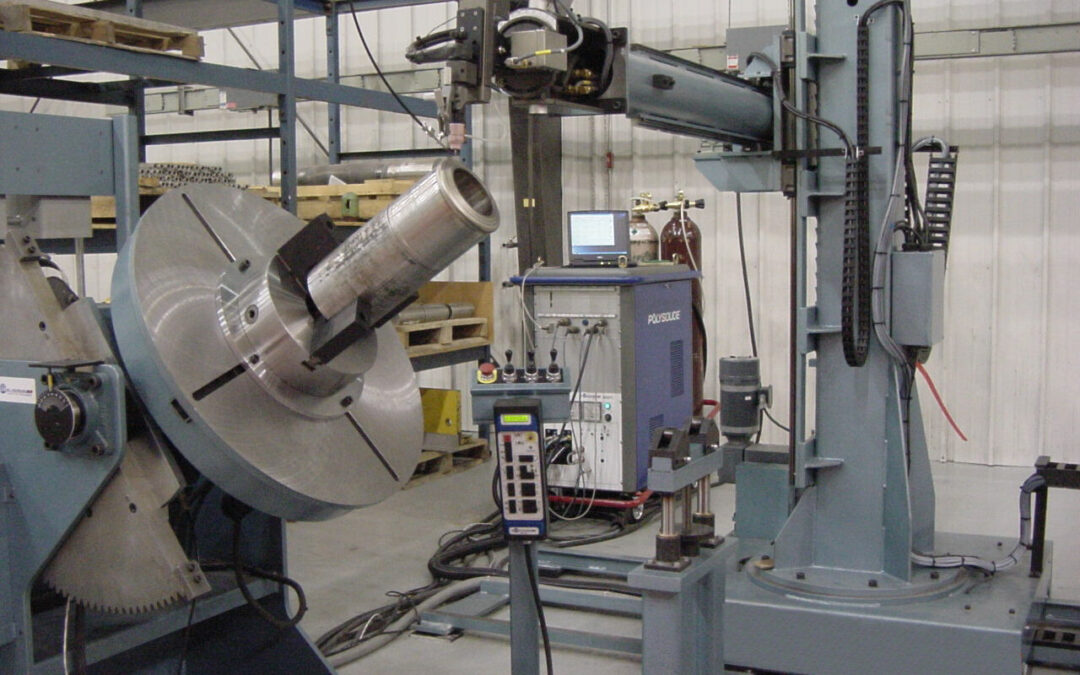
- Bancroft Engineering designs custom automated welding solutions based on real production data to improve throughput and consistency.
Manufacturers today generate more data than ever, from production metrics and cycle times to quality reports and labor utilization rates. Many are sitting on an invaluable source of insight without fully realizing it; when properly analyzed, manufacturing data can reveal automation opportunities like robotic welding, material handling and repetitive fabrication tasks.
When investigating industrial automation and welding automation, you should focus on where automation will have the greatest effect. The question should not be whether automation will help, but where it will have its greatest positive effect!
Production Data Can Reveal Automation Opportunities
One of the clearest indicators that a process is ready for manufacturing automation include:
- Inconsistent production performance
- Long or irregular cycle times
- High labor hours per part
- Frequent quality rework
- Production bottlenecks
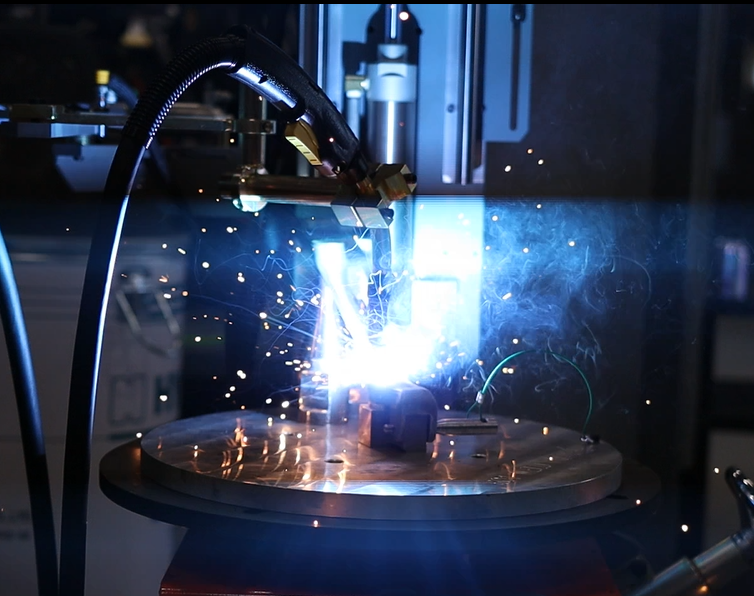
Manual welding operations often exhibit significant variations between shifts or operators, which makes skilled welders invaluable. But repetitive, high-volume weldments with tight tolerance requirements often lend themselves to being automated with robotic welding systems, helping manufacturers stabilize cycle times, increase consistency of welds, and boost throughput.
Labor Utilization Data Reveals Repetitive Workload
Labor shortages continue to have an adverse impact on manufacturing. According to the National Association of Manufacturers, manufacturers face workforce challenges that make automation increasingly essential.
Manufacturing data can assist companies in identifying where skilled workers are spending too much time on repetitive tasks that could be automated instead.
Common examples include:
- High-volume welding assemblies
- Repetitive fabrication work
- Multiple shift welding production
- Positioning and handling tasks of parts
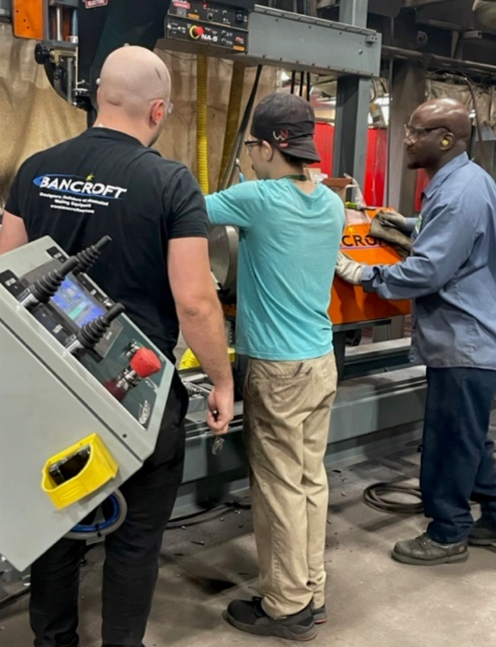
Industrial automation and robotic welding systems enable manufacturers to redeploy skilled workers for more complex fabrication jobs while easily managing repeatable work.
Quality & Scrap Data Indicate Welding Automation Opportunities
Quality data can provide another powerful indicator of where automation in manufacturing can create an immediate return on investment. If quality reports consistently display:
#1. Weld defects, rework or scrap
#2. Operator-dependent results
These issues often stem from process variability. Automated welding equipment can significantly mitigate this variance by standardizing weld parameters, travel speeds and part positioning, all while making the parameters predictable across a given weld run.
Why Does Custom Automation Matter?
Misconceptions about industrial automation equipment tend to include that it must provide a one-size-fits-all solution, when in fact the most successful projects involve creating tailored equipment specifically to fit their production processes.
Bancroft Engineering can bring a fresh approach to any challenge you are facing, with unparalleled insight.
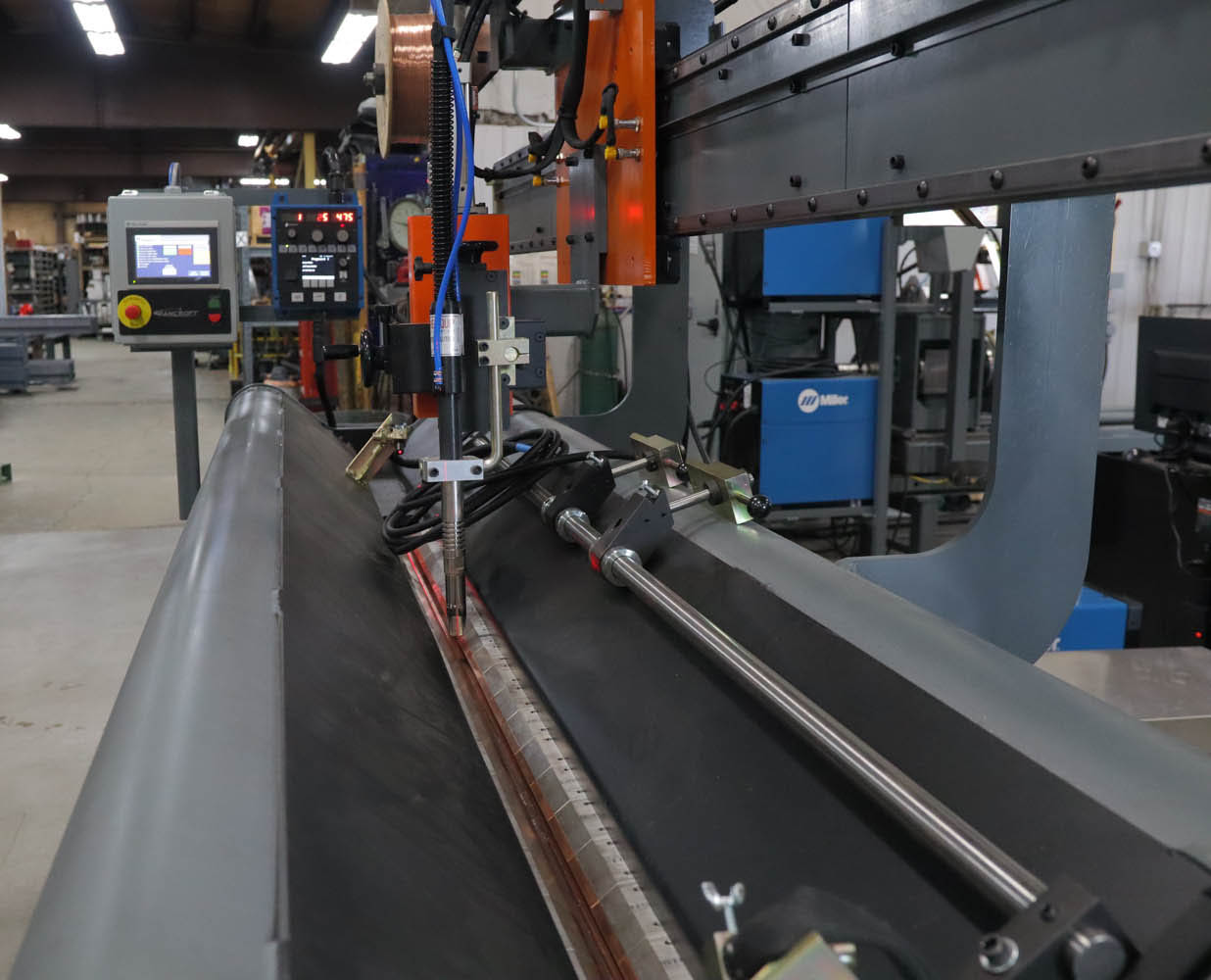
“We take a unique approach to production planning; rather than forcing production through generic robotic systems, we conduct extensive analyses.”
Bancroft uses production data and production volume requirements, fixture requirements, production volumes and operator workflow to develop custom automated systems or robotic welding cells that seamlessly fit into your manufacturing environments.
Data-Driven Manufacturing Automation Is Here
Manufacturers that actively analyze their production data can take the initiative in identifying automation opportunities ahead of their competitors. With more companies adopting digital manufacturing tools and real-time production monitoring, this connection between data analysis and automation strategy will only grow stronger over time.
FAQs
Q: How Can I Determine Manufacturing Automation Opportunities?
A: If your production data shows high labor hours, inconsistent weld quality or repetitive high-volume welding tasks as indicators, robotic welding automation may be an ideal solution.
Q: What manufacturing processes lend themselves well to automation?
A: Industrial automation systems are ideal for processes that involve repetitive, high-volume actions or require precision in execution such as welding, material handling, assembly or fabrication.
Q: Are robotic welding solutions only applicable for large manufacturing firms?
A: No. Many small and mid-sized manufacturers are successfully employing automated welding systems and robotic welding cells to expand production capacity while mitigating labor shortages.
Q: How long will it take to implement a custom automation system?
A: Implementation timelines depend on the complexity of a project; however, manufacturing automation systems typically are designed and installed step by step, so as to minimize production disruptions.