
Automated Welding Systems Blog

Section 179 in 2026: How Manufacturers Can Save on Welding Equipment
Key takeaways: The 2026 Section 179 deduction limit increases to $2,560,000 for qualifying equipment placed in service during the tax year. The deduction begins phasing out after a business place more than $4,090,000 in qualifying property into service. 100% bonus...
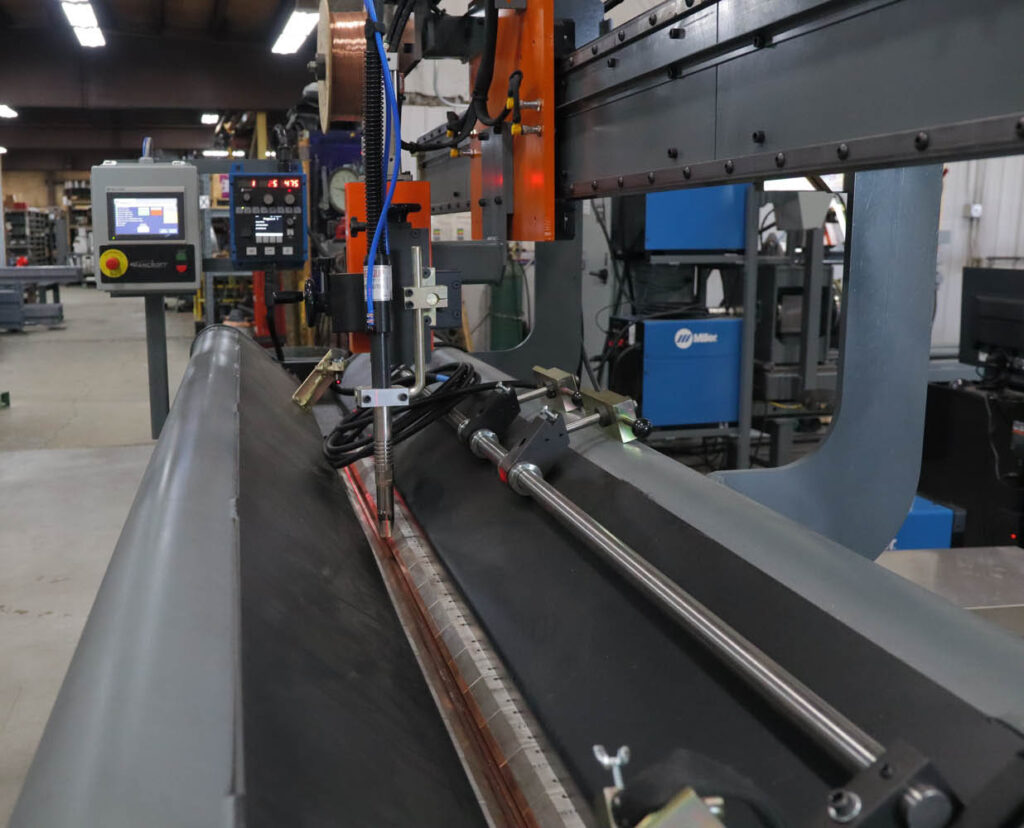
Fixed Automation vs. Semi-Automated Welding Systems: Which Is Right for You?
Key Takeaways: Fixed welding automation is ideal for high-volume production involving consistent parts and repeatable welds. Semi-automated welding systems provide greater flexibility for manufacturers producing multiple part sizes or configurations. Production...

Selecting the Right Automated Welding System: A Practical Guide for Manufacturers
Key Takeaways Automated welding system selection depends on the part size, production volume, weld complexity and growth plans of your business. Manufacturers should evaluate factors like flexibility, repeatability, throughput and integration as part of a...
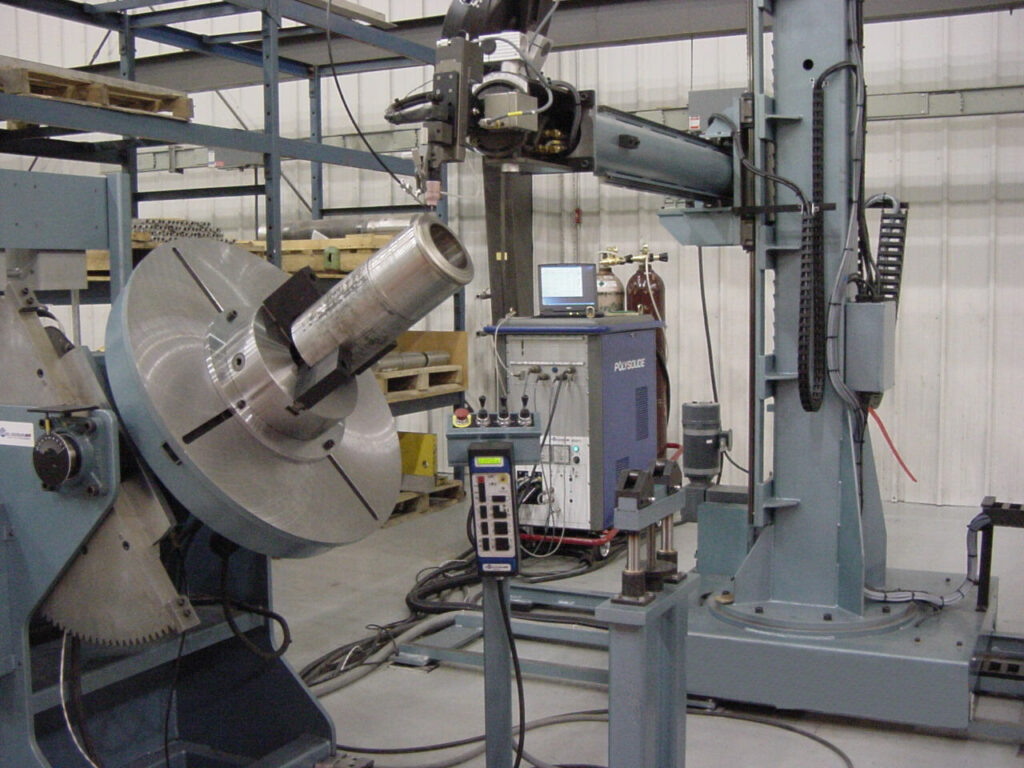
Automated Welding Improves Consistency (Not Just Speed)
Key Takeaways Automated welding systems ensure consistent weld quality from part to part. Consistent weld parameters help decrease defects, rework, and material waste while automation improves product quality and supports workforce efficiency. Manufacturers benefit...
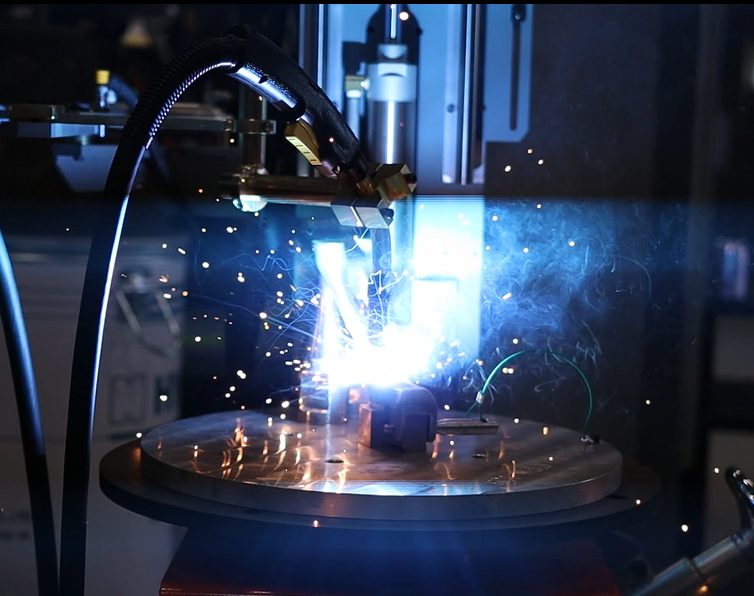
Best Automated Welding Equipment for Small Manufacturing
Key Takeaways Automated welding equipment helps small manufacturers improve weld consistency, reduce labor strain, and increase production efficiency. Automated welding positioners are one of the most cost-effective entry points into welding automation for small...

Turn Tribal Knowledge into Scalable Manufacturing Processes: Capture Critical Welding Expertise Before It’s Lost
Key Takeaways: Tribal knowledge poses risk when not documented or standardized properly in manufacturing settings. Recording expert processes can enable automation, repeatability, and scalable production. Modern automated welding systems and digital weld...

What Manufacturing Data Is Telling You About Automation Opportunities
In this post: Manufacturing data can reveal opportunities to improve productivity, quality, and profitability through automation. Metrics like cycle time, labor utilization, scrap rates, and downtime often highlight where automation can make the biggest impact....
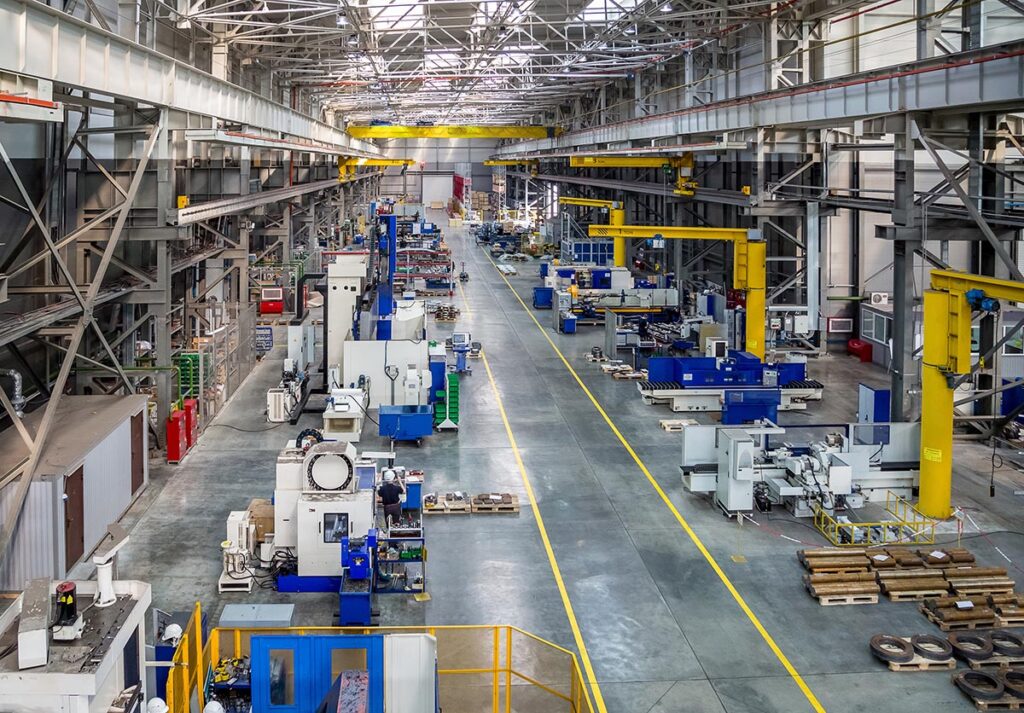
Why “Good Enough” Manufacturing Processes Quietly Erode Profit Margins
In this post: “Good enough” manufacturing processes quietly erode profit margins through repeated, small inefficiencies. Process variability reduces quoting accuracy, increases lead time instability, and strains customer relationships. The greatest automation...

Is Your Manufacturing Workflow Holding You Back? What to Keep, What to Automate
In this post: Many fabrication shops incur significant losses through ineffective manual workflows, rework steps and hidden handling steps that diminish profit. Strategic automation enhances throughput, repeatability and labor efficiency. Not every step needs to be...

Unpredictable Lead Times in Manufacturing: Why Automation Is Now a Competitive Advantage
In This Post: Why uncertain manufacturing lead times are quietly undermining profit margins. How unstable schedules compromise quoting accuracy, cash flow and customer trust. Automation and robotic systems help increase production efficiency. Manufacturers that...
Search
Recent Posts
Section 179 in 2026: How Manufacturers Can Save on Welding Equipment
Key takeaways: The 2026 Section 179 deduction limit increases to $2,560,000 for qualifying equipment placed in service during the tax year. The deduction begins phasing out after a business place more than $4,090,000 in qualifying property into service. 100% bonus...
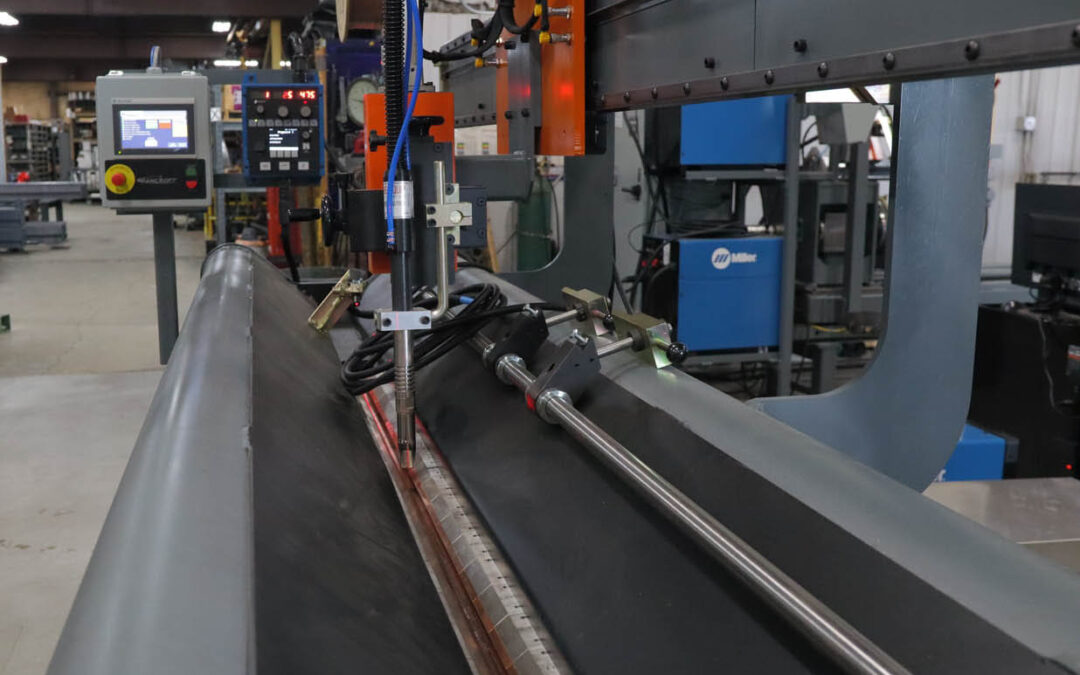
Fixed Automation vs. Semi-Automated Welding Systems: Which Is Right for You?
Key Takeaways: Fixed welding automation is ideal for high-volume production involving consistent parts and repeatable welds. Semi-automated welding systems provide greater flexibility for manufacturers producing multiple part sizes or configurations. Production...

Selecting the Right Automated Welding System: A Practical Guide for Manufacturers
Key Takeaways Automated welding system selection depends on the part size, production volume, weld complexity and growth plans of your business. Manufacturers should evaluate factors like flexibility, repeatability, throughput and integration as part of a...